Yemandja
Angélique Kidjo
Kidjo Channels Ancestral Memory into Tale of Resistance on the Shores of 19th‑Century Dahomey
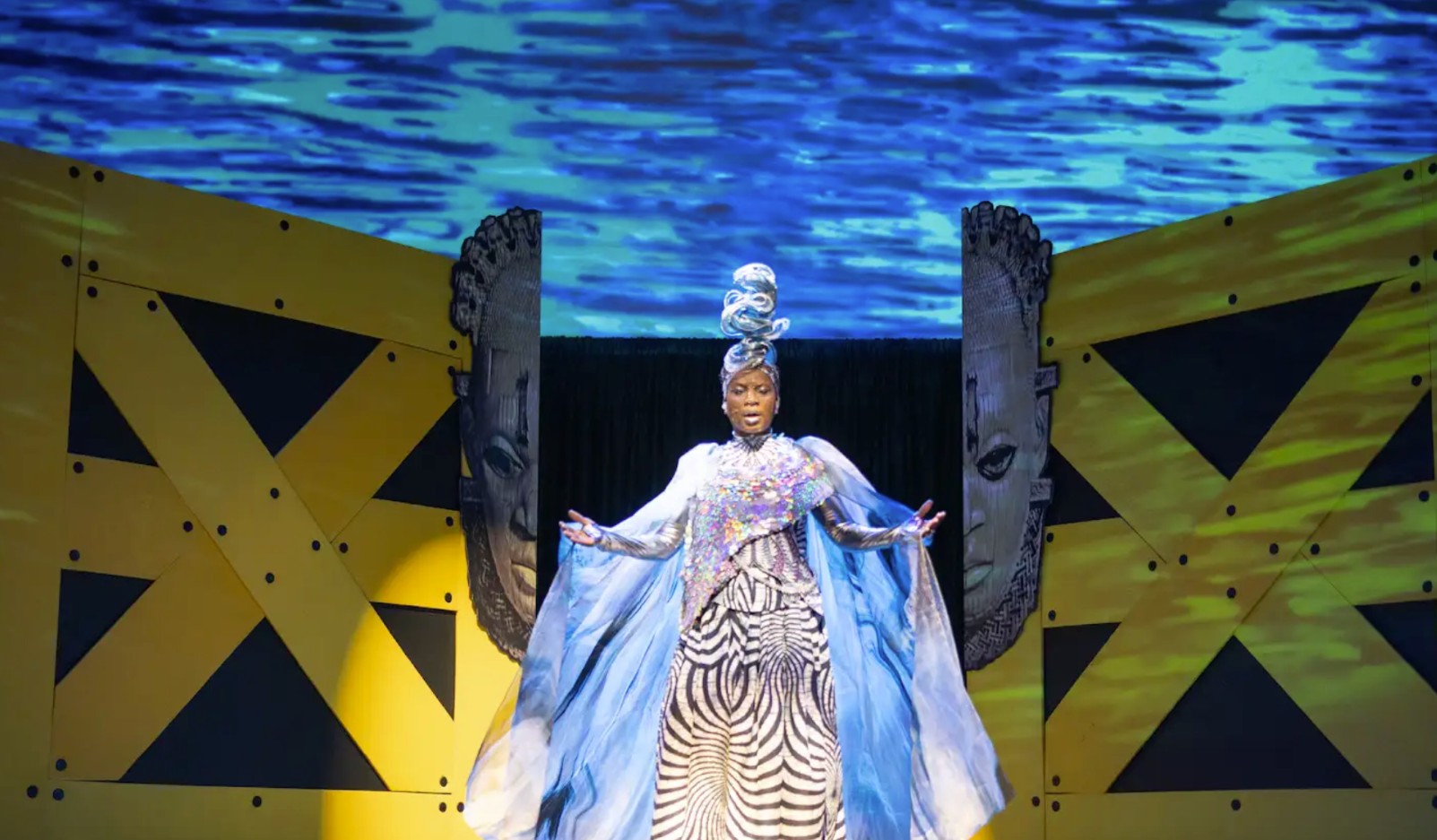
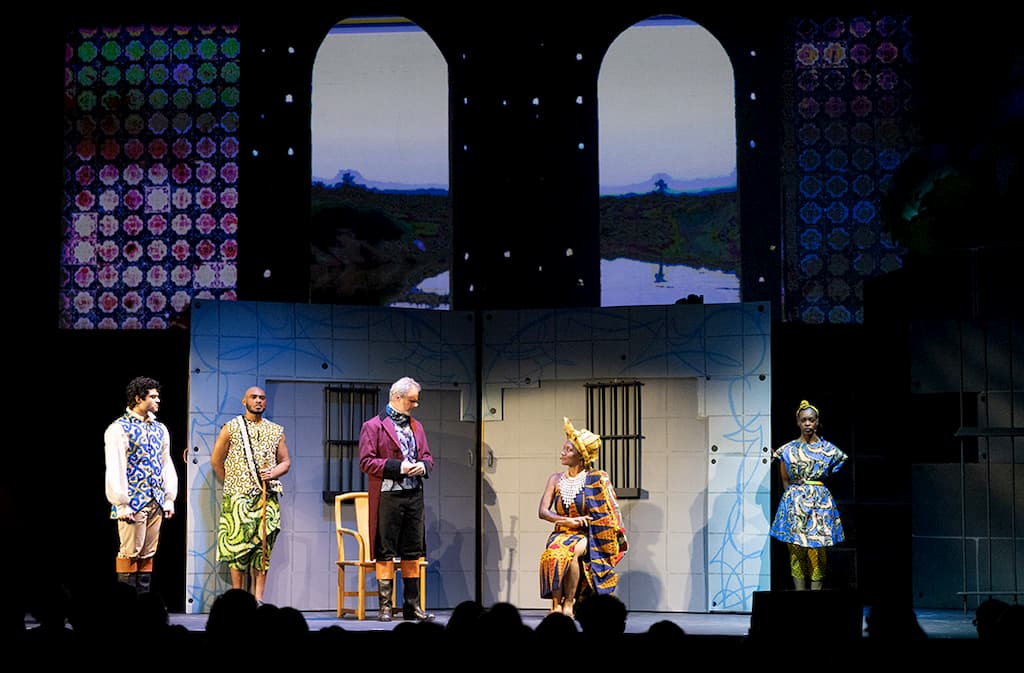
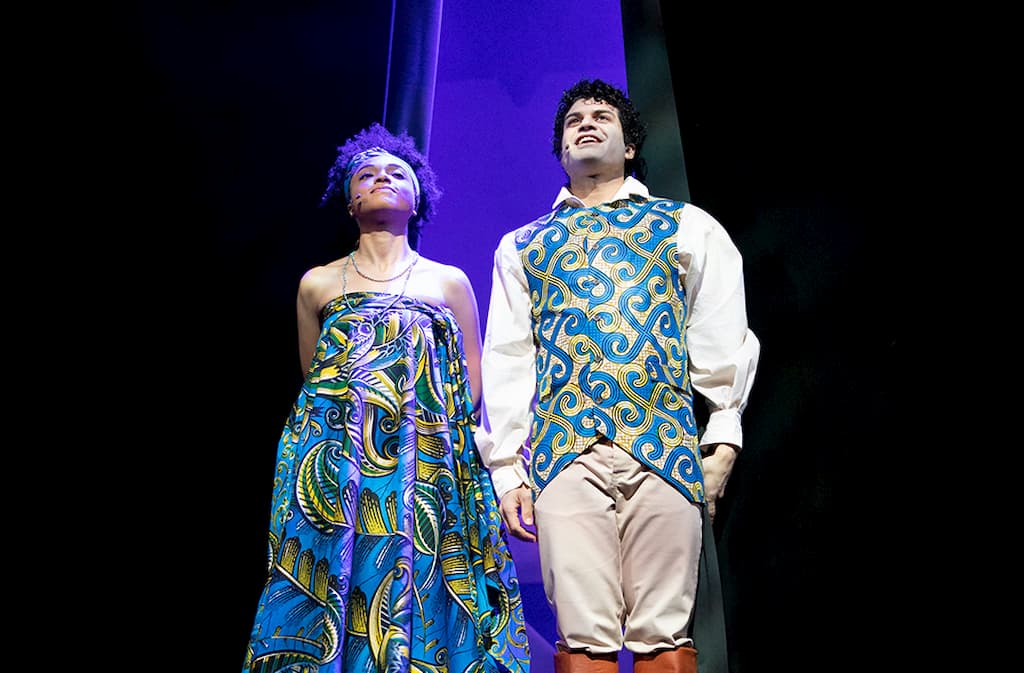
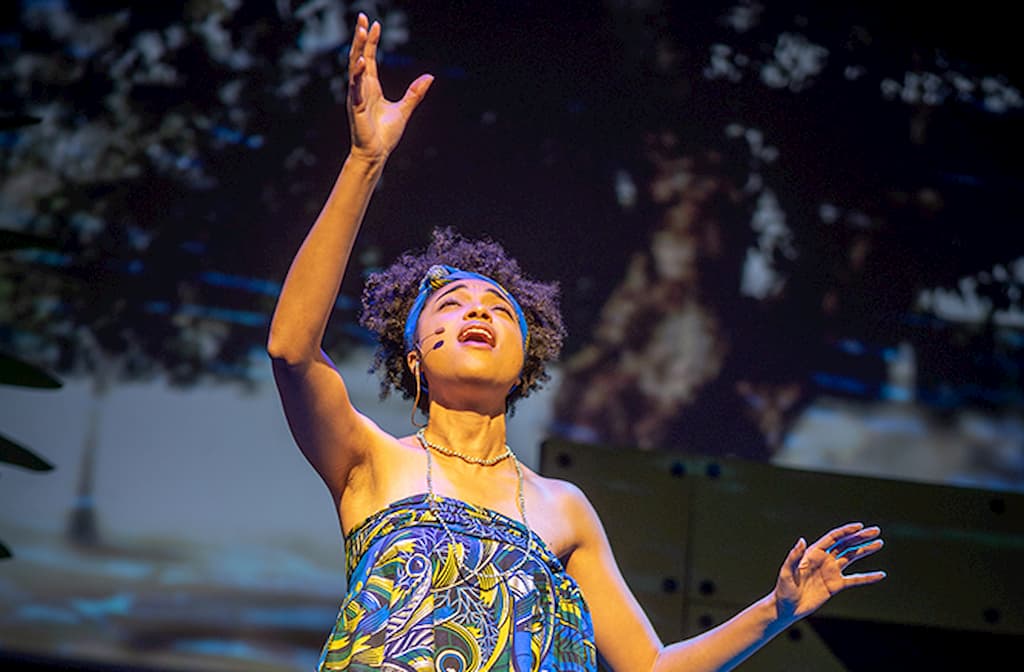
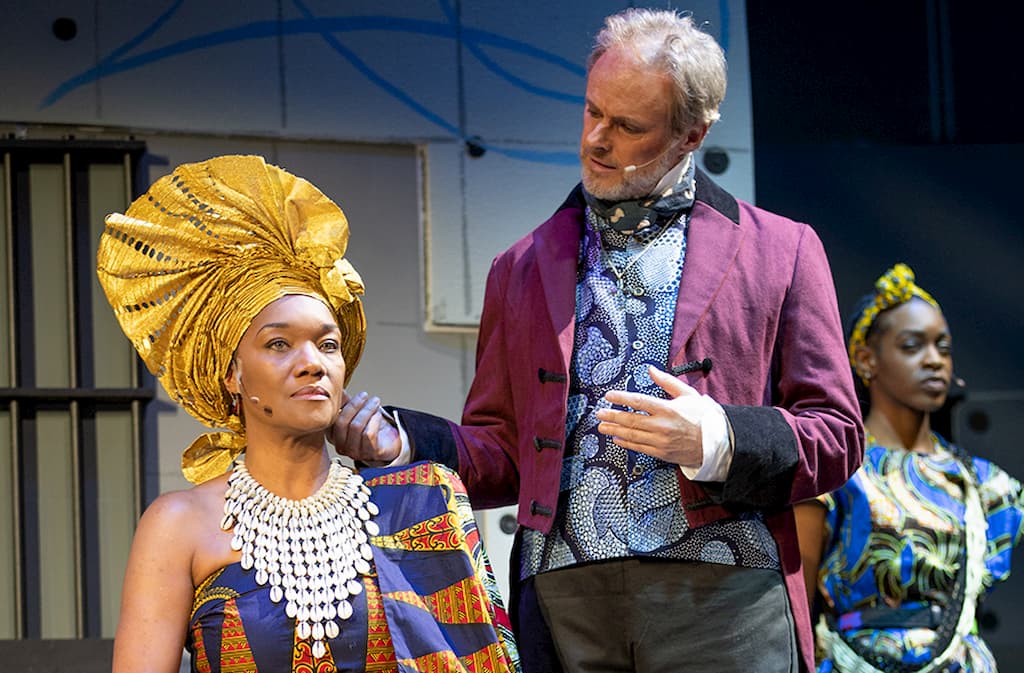
Inspired by her ancestors, her family, and Africa’s resilience, Kidjo conjures up a timely theatrical work that is at both a family drama and historical thriller, redolent of Greek tragedy and infused with themes of love, betrayal, honor, free will, and the horror and injustice of slavery. The story is set in 19th century Dahomey, the West African kingdom that once occupied the territory that is now Benin; the slave trade is in full swing. In the port city of Ouidah, where the world of the gods is close to that of men, Yemandja—deity of water and fertility—has given her protégée Omolola a secret gift: the power of song to change the course of history. But there is one caveat: the power only works if your heart is pure. As DeSalta, a Brazilian slave trader who has struck a deal with King Akaba and controls the city, kills or enslaves those around Omolola, she struggles to access her song, her desire for revenge threatening to surpass her will to be a positive force.
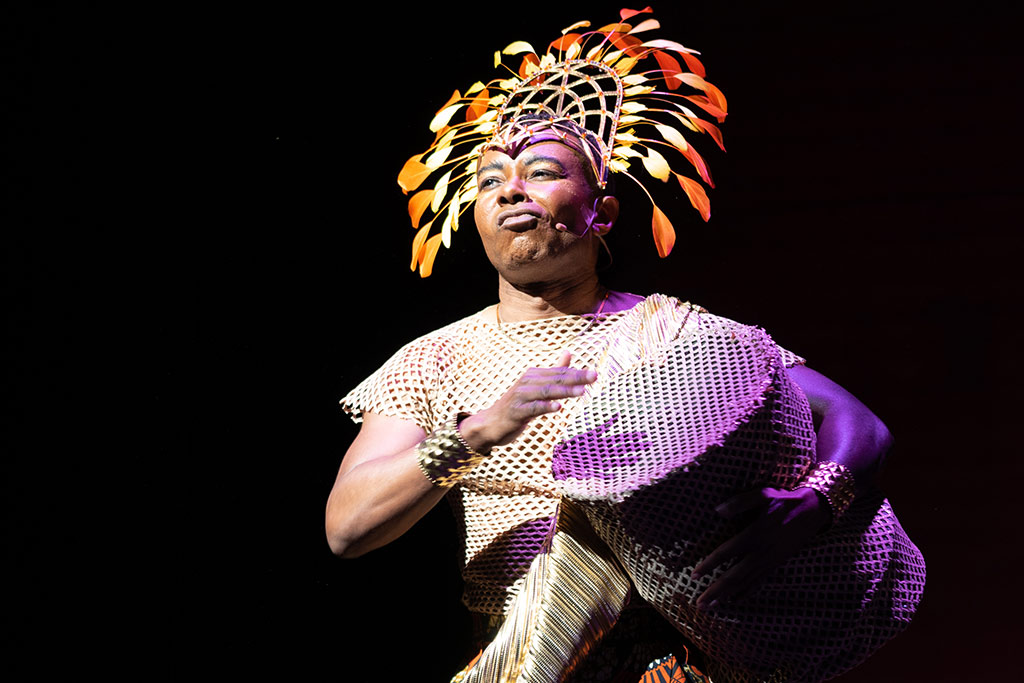
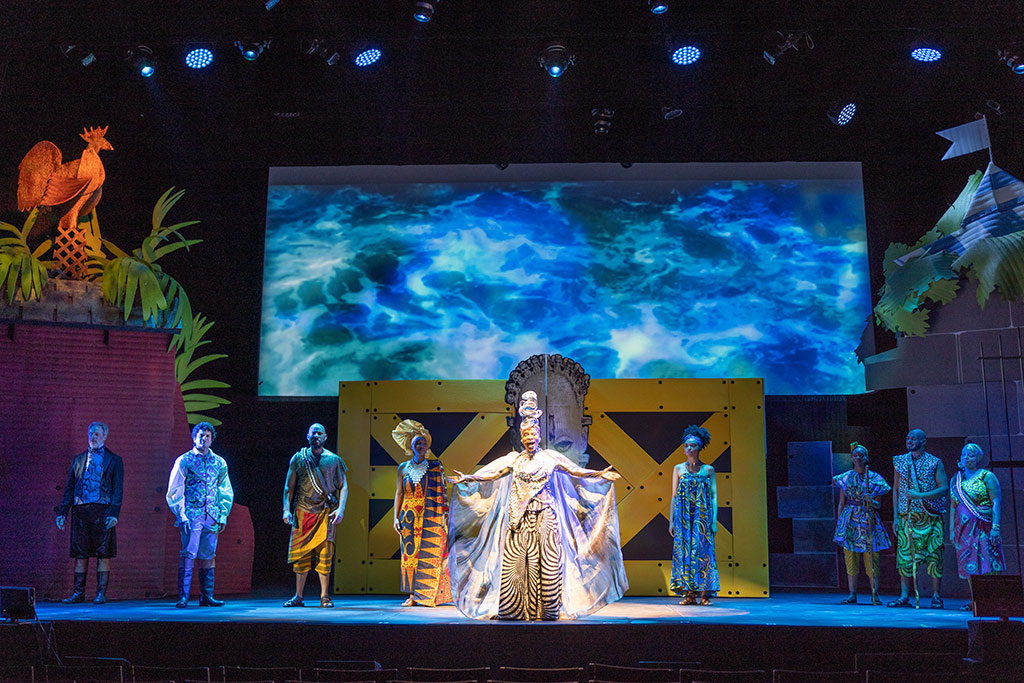
In a 19th-century West-African village where slavery is in full swing, the young woman Omolola receives a god-given gift in secret. Yemandja, the spirit of water and fertility, gives her the power to change the world through music. However, this power is only effective when her heart is pure. When a Brazilian slave trader makes a deal with the local king and kills or enslaves the people around Omolola, a desire for revenge threatens to outweigh her positive strengths.
Yemandja is a tale that combines family drama and historical thriller, and is drenched in themes like love, betrayal, honour, free will and the horrors and injustices of slavery. With this performance Angélique Kidjo shows her personal perspective, colored by her roots and childhood in Benin. The piece shows what happens when people are robbed of their culture.
Programme note
by Naïma Hebrail Kidjo, playwright of Yemandja
'Yemandja was born from a deeply personal place: hearing my mother’s childhood stories of growing up in Benin. There, the mythical and the mystical were intertwined with the modern. Her youth in Africa always struck me as bright: filled with life, community, tradition, and music. This was a contrast to my upbringing between France and America, where mysticality was “primitive” and the individual was paramount.
This piece is my attempt to reconcile all the worlds I grew up between, and all of the worlds within. To build my own bridge in order to help you build your own. Because no matter your background you also contain dualities — even simply by virtue of being the child of two different people. So, through words and song, we hope to take you on a journey both outside of yourself and within yourself. The destination? Healing and a more open heart.
What are the ramifications of fostering fear, of responding to hatred with even more hatred? What does it mean that our modern thriving economies are built on the slave trade and slave labor — both historical and in new forms of modern slavery? Who does war, pain, and division really benefit? What is the impact when we think only of short-term gains when long term harm is inevitable? These are all big questions posed by this piece.
My aim is not to rewrite history, minimize the importance of accountability, or simplify the complexities of the human experience but, instead, to remind us that individuality placed above community is not a sustainable solution. We may be separated by miles of beliefs, mountains of appearances, oceans of hurt, but since the dawn of the human race we have all been intertwined genetically, historically, and spiritually. All the divisions have been our own making. So when the world feels too big, Yemandja is a reminder that we are all linked and that we have all the power to change the world with empathy, be it through small everyday kindness, or grand heroic acts of humanity.
A river does not flow and forget its source.
Actions have consequences.
Angélique Kidjo
Global pop star and four-time GRAMMY award winner Angélique Kidjo is an international creative force. Her striking voice, illuminating stage presence and fluency in multiple cultures and languages have expanded her following across national borders. Kidjo has cross-pollinated the West African traditions of her childhood in Benin with elements of American R&B, funk and jazz, as well as influences from Europe and Latin America.
Kidjo received the prestigious 2015 Crystal Award given by the World Economic Forum in Davos, Switzerland and the 2016 Amnesty International Ambassador of Conscience Award. She has appeared in several films, and won Best Actress in a Supporting Role from the African Movie Academy Awards for her role in Nigerian director Kunle Afolayan’s The CEO. It’s no surprise that acting is also in her blood: Kidjo’s mother founded a theater company in Benin, and she made her stage debut at age six.
THE OFFICE has presented Angélique at multiple festivals and venues (BRIC Celebrate Brooklyn!, MASS MoCA, the REACH opening festival at the Kennedy Center, among others) and has commissioned works from her (Angélique Kidjo’s Women Waging Peace, BRIC Celebrate Brooklyn! 2012).
Team
Conceived by Angélique Kidjo, Jean Hébrail & Naïma Hebrail Kidjo
Executive Producer Xtina Parks.
Produced by THE OFFICE Performing Arts + Film
Tour Dates
Selected Press Mentions
The New York Times: At 75, the Holland Festival Is Back and More Global Than Ever
San Francisco Chronicle: West African luminary Angélique Kidjo confronts slavery's legacy in groundbreaking show
The Washington Post: Angélique Kidjo’s new musical theater work comes to the Kennedy Center
UC Berkeley News: ‘Africa’s premier diva’ Angélique Kidjo makes her music theater debut in ‘Yemandja’
Arts Council Greater New Haven: “Yemandja” Paints A Journey of Healing Far From Home