AMOC* celebrated its Lincoln Center debut with its most expansive and ambitious Run AMOC* Festival yet. As part of Lincoln Center’s Summer for the City, the festival brought together over 100 artists for 10 New York premieres across 12 productions, all created and commissioned in collaboration with AMOC*’s artists and partners.
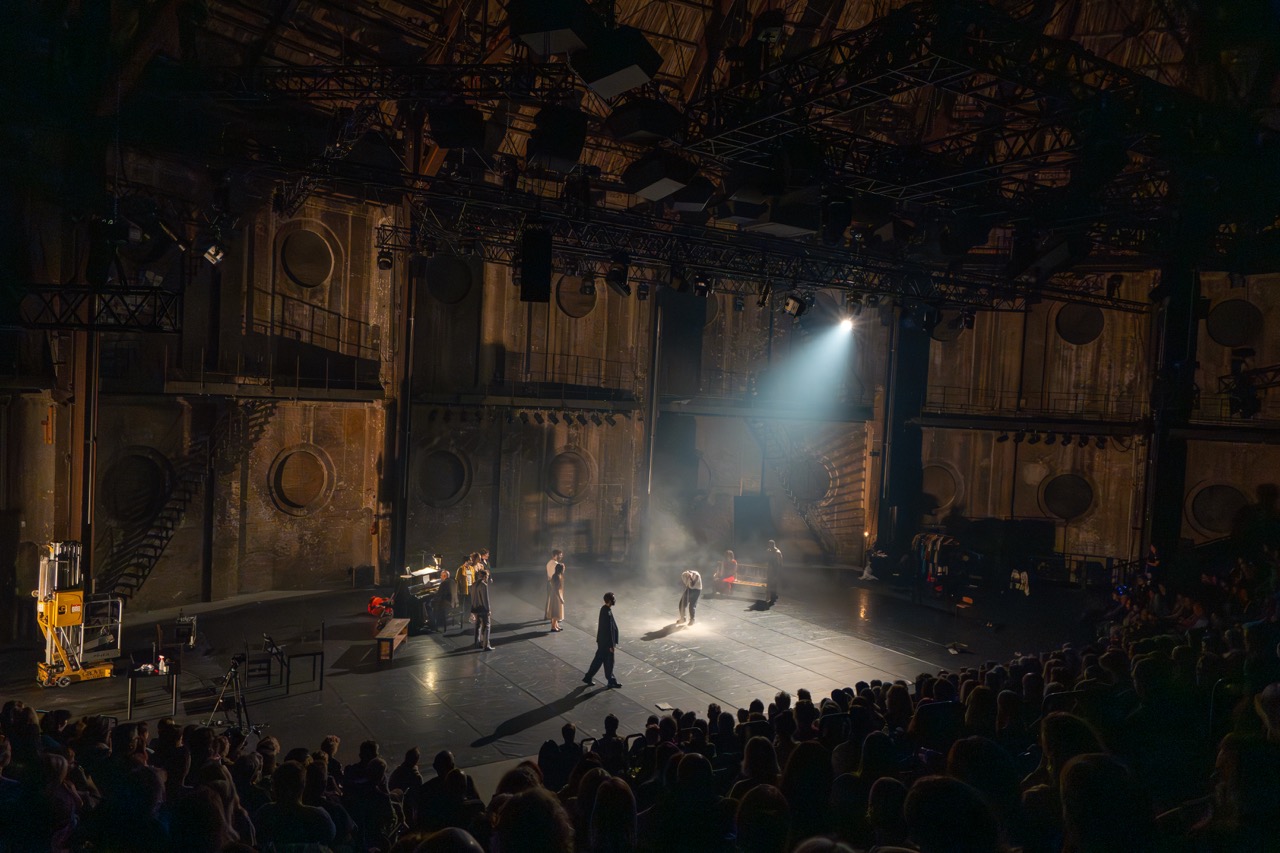
Bobbi Jene Smith: Broken Theater
Created and directed by founding member of AMOC, Bobbi Jene Smith’s Broken Theater melds live dance-theater, music, and cinematic beauty. Twelve artists meet in a ghost theater where they grapple with love, humiliation, and loss at the cost of each other. When the script has disappeared, when the audience is gone, where are the lines between the part you play and the person you are?
The Comet / Poppea
A visionary music-theater hybrid that collides Monteverdi’s The Coronation of Poppea (1642) with W.E.B. Du Bois’s short story The Comet (1920), creating an operatic landscape where past and future, power and apocalypse, uneasily coexist.
Canto Ostinato
A hypnotic minimalist score built from repeating patterns that slowly shift over time, this performance becomes a communal, almost meditative soundscape where subtle changes feel monumental.
Harawi
A reimagining of Messiaen’s intense song cycle on love, loss, and transcendence. The staging fuses voice, movement, and ritual to chart a lovers’ journey at the edge of the earthly and the mystical.
Julius Eastman: A Power Greater Than
This boundary-breaking concert celebrates Eastman’s art within the greater context of his life, creativity, and humanity. Seth Parker Woods and Davóne Tines are joined by soloists Conor Hanick, Richard Valitutto, and Adam Tendler (pianos) and JIJI (guitar) for a programme that includes Prelude and The Holy Presence of Joan D’Arc, Touch Him When, Piano 2, and Gay Guerilla.
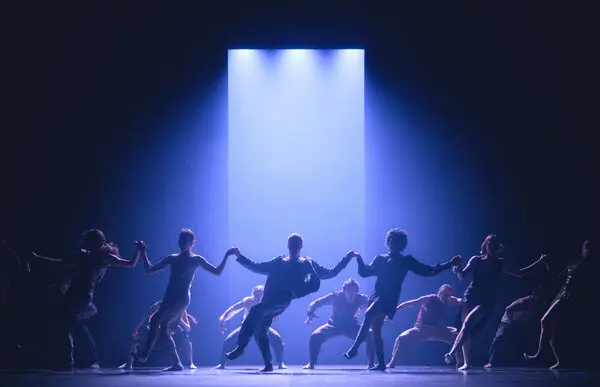
Julius Eastman: The End Is Not in Sight
Built on Eastman’s complex, repetitive minimalism, this piece amplifies his sense of inevitability and suspension, turning his score into an embodied protest that dances on the edge of catastrophe and catharsis.
Zarabanda Variations
Conceived by performer, composer, and AMOC* member Keir GoGwilt, Zarabanda Variations brings together a group of visionary composers, improvisers, and performers, inspired by musical histories of sixteenth- and seventeenth-century New Spain, or present-day Mexico and the United States. Over the course of the performance, the familiar tonalities and harmonies of early Baroque music are warped into contemporary and futuristic soundscapes.
Edinburgh Rollick
A high‑energy “folk‑baroque feast,” this New York premiere layers Niel Gow’s vibrant 18th‑century Scottish dances into dramatic, through‑composed sets, blending historical purity with modern energy to feel like a celebration of lineage and percussive drive.
Dance in the Park
A tender, playful, and structurally daring duet for two dancers, this New York premiere blends Strauss‑era elegance with dreamlike movement logic, creating a wayward yet touching sketch of love, extinction, and the funny, fragile evolution of how bodies relate in public space.
Music for New Bodies
An evening-length music-theater work that sets Graham’s poetry in a fractured, urgent landscape, tracing how bodies and environments are reshaped by crisis while searching for new forms of attention and care.
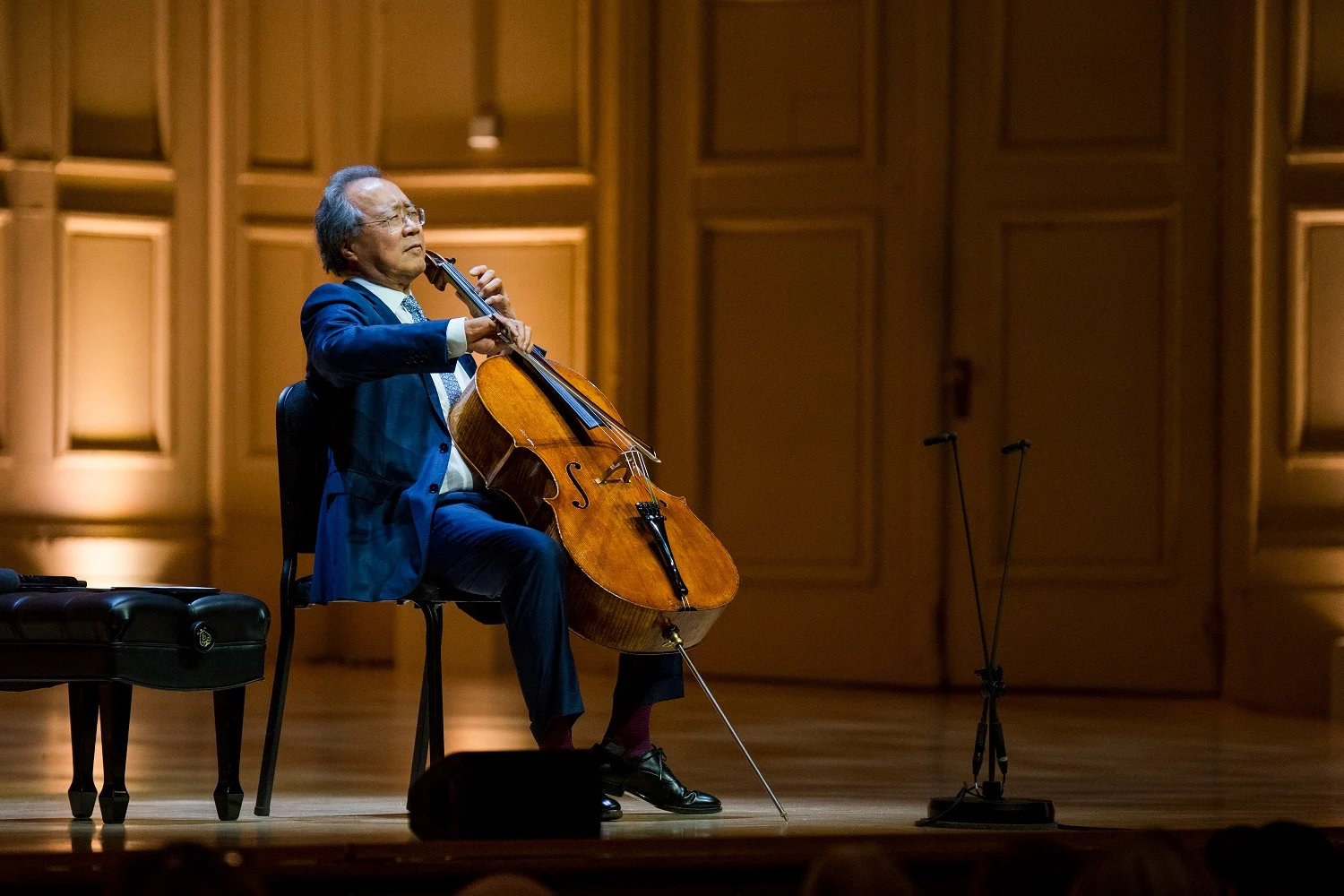
The Cello Player
A chamber opera about a woman who has “stopped speaking” to the world, imagining her phone conversations only she can hear, it blends fine‑line realism with surreal interiority, blurring guilt, memory, and what it means to listen.
Rome Is Falling
Structured as a fragmented oratorio, this work reassembles historical and contemporary texts around empire’s collapse, creating a mosaic‑like meditation on the voices erased from official histories.
the echoing of tenses – A Dream Play after Strindberg
Translating Strindberg’s oneiric drama into a music‑led stage vision, this piece stretches time and voices into overlapping echoes, asking how past, present, and future coexist.